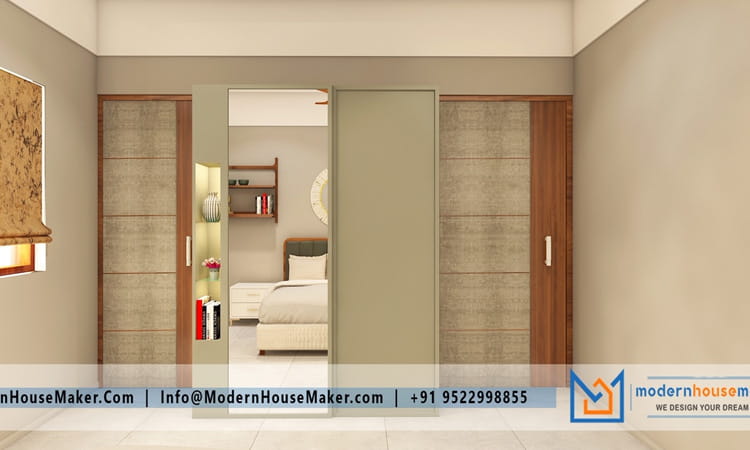
Most people spend considerable time choosing flooring and furniture for their house but rarely apply the same thinking to their walls. That gap often shows in the finished result. A well-planned wall treatment can anchor a room’s design, while a neglected one quietly undermines every other choice made inside it. Getting walls right from the beginning matters considerably more than most homeowners expect.
Walls That Work Harder Than You Think
Surfaces Shape the Whole Room: Good interior wall design extends far beyond paint colour selection. It covers texture, material weight, and spatial proportion, all of which influence how light behaves in a room and how comfortable the space feels to occupy. A bare painted wall and a panelled one sit in the same footprint but deliver entirely different environments for the people living within them.
Timing Decisions Around Construction: Homeowners engaging a construction company in Indore often discover that wall finish decisions need to be confirmed well before plastering begins. Conduit routing, waterproofing membranes, and structural load requirements all determine which finishes are feasible and where. Waiting until construction ends closes off options and makes certain preferred finishes far more expensive or structurally impractical to achieve.
Choosing Materials That Change Everything
What Each Material Actually Delivers: Wood panelling brings depth and warmth to bedrooms and living areas without overpowering them. Stone cladding suits entry zones and feature walls well, adding a sense of permanence. Gypsum board partition systems offer a workable middle ground, allowing layouts to be adjusted in the future without significant structural disruption. Each material carries specific installation requirements that must be planned for before walls are sealed.
Texture Is Skilled Work, Not Just Selection: Finishes like Venetian plaster and exposed brick perform well when applied with genuine skill and care. Without either, they tend to look unfinished rather than considered. The texture chosen should suit the room’s proportions, available natural light, and overall design direction. A material that photographs well in one setting does not automatically work in every room where it might be placed.
Errors That Quietly Undermine Good Design
The Real Cost of Late Decisions: Many homeowners assume that the wall design can be adjusted freely after construction ends. In practice, removing poorly installed cladding, addressing moisture damage from skipped membranes, or rerouting conduit for a feature wall are avoidable and often expensive corrections. Decisions made during the planning stage consistently produce better results than those attempted after walls are completed and sealed.
Pitfalls Worth Avoiding Before Work Begins:
- Selecting paint colour after flooring is installed, leading to mismatched tones
- Skipping moisture barriers on walls adjacent to bathrooms or kitchens
- Adding heavy cladding without confirming the wall’s structural suitability
- Choosing textures that absorb light in rooms with limited natural brightness
- Ignoring skirting and cornice alignment when planning panelling installations
What Skilled Builders Actually Bring
Structural Knowledge Shapes Surface Choices: Experienced builders assess load-bearing capacity before recommending any cladding material. Stone or tile finishes carry considerable weight, and walls not designed to handle that load can develop problems that take months to surface. Professional guidance at the planning stage prevents those structural issues and ensures the home looks exactly as intended for years without requiring remedial intervention.
Acoustic and Thermal Performance Matter Too: Wall construction directly affects sound insulation and heat retention across a home. Hollow partitions allow sound to travel between rooms with ease, reducing privacy for everyone inside. A properly constructed wall using appropriate fill materials performs noticeably better in both areas, improving daily comfort in ways that residents tend to notice within days of moving in.
Where Good Walls Begin
Treating wall design as a core priority rather than a finishing touch changes how a home looks and performs in practice. Homeowners who bring in builders and interior professionals early avoid the most common and costly pitfalls, and reach results that feel genuinely considered and lasting. Reaching out to a qualified local specialist before construction progresses is the most effective first step any homeowner can take.
Featured Image Source: https://www.modernhousemaker.com/projects/int_162162203490View_07.jpg