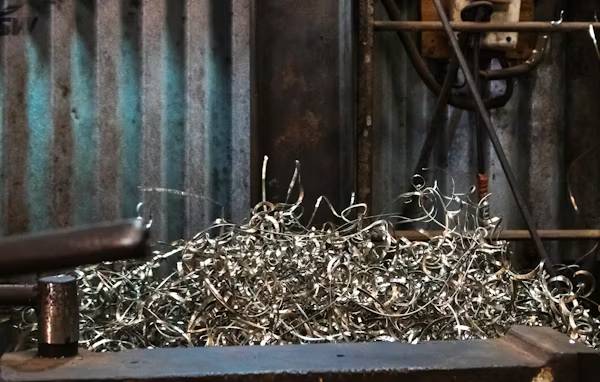
Commercial sites that prioritise organised scrap management see measurable gains in output, compliance, and operational clarity every working day.
Most site managers don’t notice the problem until it’s already costing them in different ways. Scrap piles up in corners, pathways get blocked, and workers navigate around obstacles that shouldn’t exist. The inefficiency isn’t dramatic at first. It creeps in slowly, chipping away at daily productivity long before anyone traces it back to how metal waste is handled on-site.
The Quiet Cost of a Cluttered Site
Disrupted Schedules, Disrupted Output: Regular scrap metal collection keeps worksites running the way they’re supposed to. When removal isn’t scheduled or consistent, floor space disappears, equipment movement gets restricted, and workers lose time routing around accumulated material. Treating scrap removal as a core part of the production process, rather than something to address later, separates high-functioning sites from reactive ones.
Sorted Sites, Stronger Results: When scrap metal is sorted and removed on a predictable schedule, daily operations run with far less friction. Clear sorting zones and assigned disposal areas eliminate guesswork that stalls workers. Sites that get this right report fewer bottlenecks, better use of floor space, and a noticeable lift in throughput without changing much else.
What Unmanaged Scrap Does to a Workforce
Compliance Gaps That Add Up Fast: Cluttered worksites and poorly managed scrap don’t just cause inconvenience. They create real exposure to occupational health and safety risks that regulators take seriously. Unobstructed walkways and safe material storage aren’t optional requirements. Businesses that allow scrap to accumulate in the wrong areas risk injury claims, compliance penalties, and operational disruptions that cost far more than a consistent removal schedule.
What an Unorganised Site Communicates: A site’s condition tells a story. When scrap is left to pile up without clear management, it signals something to clients, inspectors, and subcontractors alike:
- Blocked access routes indicate poor workflow planning and material flow control.
- Mixed and unsorted scrap creates complications during inspections and project handovers.
- Overloaded storage areas increase fire risk and restrict equipment movement.
- Reactive, unscheduled removal suggests a site that’s constantly playing catch-up.
Sites that manage waste proactively hold up far better under scrutiny.
Morale Takes a Hit Too: Disorder affects more than compliance scores. Workers on poorly organised sites spend more time navigating the environment than actually doing their job. Supervisors get pulled into avoidable issues, productivity reports come back short, and the frustration compounds. A site where materials are managed properly allows people to work confidently, which matters more than most operators account for.
Building Systems That Actually Work
Track It, Plan It, Improve It: A reliable removal schedule backed by structured waste stream management gives site operators far better control over labor allocation and floor usage. Forecasting when clearances are needed, cutting down on unplanned cleanup days, and keeping space accessible for equipment all become easier. Sites that build this into their routine find that output improves without adding headcount or disrupting existing workflows.
Where Commercial Sites See the Biggest Gains: Large construction and manufacturing operations generate scrap in decent volumes where small inefficiencies multiply quickly. Regular pickups, clearly marked sorting zones, and predictable removal schedules reduce the daily friction that quietly slows teams down. It’s not about achieving a perfect site. It’s about removing obstacles that don’t need to be there so skilled workers stay focused on actual work.
Stop Losing Ground to a Problem You Can Fix
A disorganised approach to scrap handling silently drains output, increases risk, and damages site credibility over time. Commercial and industrial operations ready to bring structure to their sites can call (03) 9357 3900 or email enquiries@srsmetals.com.au to discuss a collection schedule built around their specific volume and requirements. Better operations start with better systems.
Featured Image Source: https://images.unsplash.com/photo-1763950866216-736f090bc9db?w=600&auto=format&fit=crop&q=60&ixlib=rb-4.1.0&ixid=M3wxMjA3fDB8MHxzZWFyY2h8NDB8fHNjcmFwJTIwbWV0YWx8ZW58MHx8MHx8fDA%3D