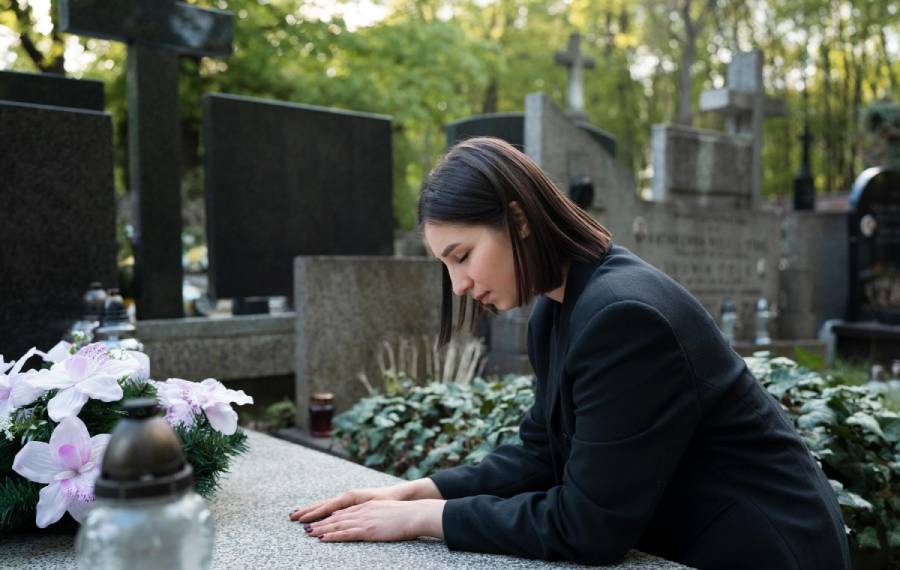
With societies growing more aware of their environmental footprint, an increasing number of individuals are seeking sustainable solutions not only in life but in death as well. The conventional burial practices that consume non-biodegradable burial containers, embalming fluids, and land are being reevaluated as people choose to adopt greener practices.
Out of these, cremation has emerged as a comparatively less resource-intensive alternative. In Tampa, where the issue of environmental conservation often arises, the emergence of free cremation services is not only a financial reprieve but also environmentally beneficial.
One particular aspect gaining attention is the environmental benefit associated with cremation in Tampa. Although cost saving is the driving factor for some families, most families are also attracted to the extent that cremation reduces environmental degradation. Cremation requires fewer natural resources and produces a smaller carbon footprint than conventional burial, particularly when supported by green initiatives and technologies.
Reduced Land Use and Preservation of Natural Habitats
Conventional burial involves a lot of land, which is increasingly limited, especially in urban and suburban cities such as Tampa. Cemeteries use prime green land that could otherwise be maintained as public parks, animal habitat areas or be forested.
Cremation does not require a burial plot, thus easing the burden on land use. Free cremation services also contribute to this model by providing a respectful option that does not impose on the environment.
Elimination of Embalming Chemicals
Embalming is common in conventional funerals, to keep the body intact so people can view it. Nevertheless, the chemicals used in this process include formaldehyde, methanol, and phenol, which may leach into the soil and groundwater.
These are dangerous chemicals that cause environmental hazards, polluting the natural ecosystem and interfering with human health. Cremation does not require embalming at all, and this way, harmful substances are not released into the environment.
Energy Efficiency and Technological Advancements
Although cremation requires energy, improving technology renders it more efficient. New crematories are constructed with mechanisms that conserve energy, thus minimizing the amount of fuel used, and the smoke.
Sustainability is maximized such that some facilities use the heat energy produced during the cremation process elsewhere. Cremation providers in Tampa are catching up with these advances in an attempt to provide eco-friendly services.
Also, free cremation services can offer collective transportation or efficient scheduling to reduce carbon emissions related to several single-use services. When coupled with environmental-friendly operations, this operational efficiency solidifies cremation as a more environmentally friendly alternative to burial.
Fewer Physical Materials Required
The manufacturing of caskets, burial vaults, grave liners, and tombstones require raw materials and release greenhouse gases. Conversely, cremation diminishes or obviates the necessity for such physical objects. Although families opting to put cremains in urns or scatter them still have a considerable effect on the environment, it is much less than traditional burial.
Free cremation services usually include biodegradable urns or provide ash-scattering services in natural environments, encouraging a complete back-to-nature circle. Such post-death rituals not only pay respect to the dead but are also sustainable.
Conclusion
Free cremation services in Tampa are not just a way to save money but are also a valuable contribution to environmental responsibility. Cremation promotes an alternative to traditional burial in a respectful and environmentally friendly way by limiting land usage, toxic chemicals, and material use. The trend is bound to increase as more people learn about the environmental advantages of cremation—contributing to a greener, more sustainable planet to benefit future generations.