A vertical labret piercing goes through the center of your lower lip, with one ball sitting inside your mouth and another visible on the outside. Unlike a standard lip piercing that goes horizontally through the lip tissue, this style creates a unique aesthetic. The placement requires precision from a professional piercer, and understanding what happens during the process helps you prepare mentally and physically for the experience. Many people choose this piercing for its visual appeal, though the commitment to proper healing matters more than the initial decision to get it.
How Much Is a Vertical Labret Piercing and Why Pricing Varies
How much a vertical labret piercing costs varies based on your location, the piercer’s experience level, and the studio’s reputation. Urban areas typically charge more than rural locations. A piercer with extensive portfolio work and client reviews may price higher than someone newer to the field. Studio overhead, sterilization standards, and the quality of jewelry included also influence the final price. Rather than hunting for the cheapest option, prioritizing a trained professional who follows proper health protocols matters more for your safety and healing outcome. You’re paying for expertise and safety, not just the physical act of piercing.
The Healing Timeline and What Your Body Goes Through
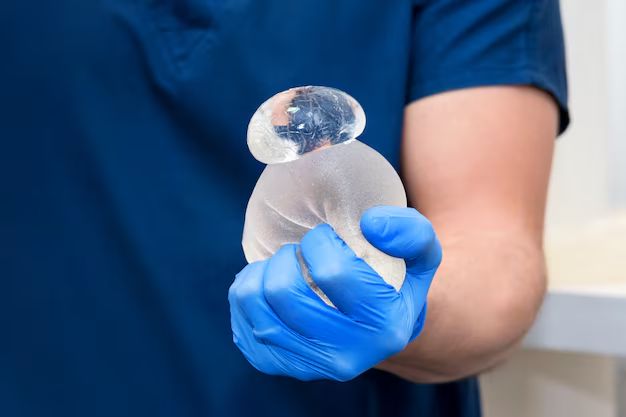
Your lip tissue begins closing immediately after piercing, which is why timing matters for jewelry changes. Initial healing typically takes several weeks, though complete internal healing extends longer. During the first few days, expect swelling and mild tenderness. Your body treats the piercing as a wound and responds by increasing blood flow to the area. Some people experience slight bleeding or clear discharge, which is normal. Sleeping position affects healing since pressure on your lip can slow recovery and increase discomfort. Unlike the cost of gummy bear implants, which involves surgical expenses and professional fees, a vertical labret piercing’s expense centers on the piercer’s skill and sterilization standards rather than surgical complexity.
Jewelry Considerations and Oral Health
The jewelry you choose affects both healing and long-term comfort. Initial jewelry should be made from high-quality materials like implant-grade titanium or surgical steel to minimize allergic reactions. Once healed, you have more flexibility in style choices. Labret studs work best for vertical piercings since barbells can shift and irritate your gum line. The concept of biocompatibility refers to how well your body accepts foreign materials without triggering immune responses. Larger or heavier jewelry puts more pressure on the piercing channel and can slow healing. Some people experience minor gum recession over time if jewelry rubs constantly, so checking your oral health during routine dental visits matters.
Common Challenges and How to Handle Them
Swelling sometimes makes it difficult to eat or speak clearly during the first week. Stick to soft foods and cold beverages to minimize irritation. Speech returns to normal once swelling decreases. A few people develop mild keloids or scar tissue around the piercing site, though this is less common with proper aftercare. The formation of granulation tissue describes your body’s natural healing response, where new tissue fills the piercing channel. This process is generally healthy but should be monitored to ensure it’s not excessive. If you notice signs of infection such as excessive warmth, pus, or swelling that worsens after a few days, contact a healthcare provider. Some individuals find their piercing migrates slightly as tissue settles, which is usually harmless but worth monitoring.
Making Your Decision
Getting a vertical labret piercing is ultimately a personal choice influenced by your pain tolerance, commitment to aftercare, and oral health status. People with existing gum disease or dental concerns should discuss piercing plans with their dentist first. Budget time for proper healing rather than rushing back to normal activities immediately. Research piercers in your area by checking their portfolios, reading client reviews, and verifying they follow sterile techniques. Ask questions during your consultation about their experience with vertical labret.
Featured Image Source: https://img.freepik.com/premium-photo/damaged-torn-gummy-bear-breast-implant-surgeon-s-hands_99272-3393.jpg