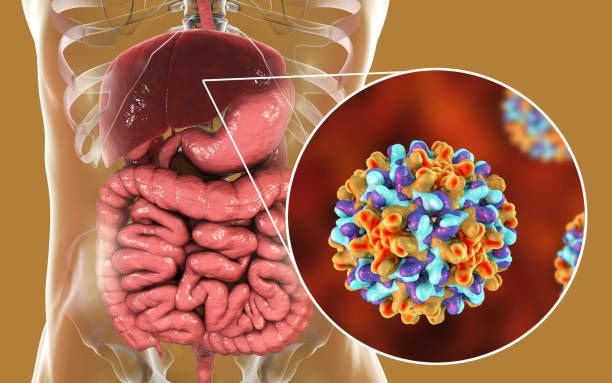
Liver health concerns many people today. The good news is that several liver conditions can be reversed or managed effectively when caught early. Your liver has a remarkable ability to heal itself, perhaps more than you realise. With the right combination of medical care and lifestyle adjustments, many patients experience substantial recovery and improved quality of life over time.
Understanding Liver Disease Reversibility
Early Detection Matters: Catching liver problems in their initial stages makes reversal far more likely. A liver specialist doctor in Ranchi can run diagnostic tests to assess damage levels and determine the best treatment path. Blood work, imaging scans, and sometimes biopsies help doctors understand how far the disease has progressed and what interventions will work best for your specific situation.
Medical Intervention Approaches: Treatment options vary depending on the type and severity of liver damage you’re facing. Facilities at a super speciality hospital Ranchi offer comprehensive care including medication management, monitoring programmes, and specialist consultations. Doctors typically create personalised treatment plans that address your unique health profile, existing conditions, and the specific liver issue you’re dealing with right now.
Fatty Liver Reversal Strategies
Lifestyle Modifications Work: Non-alcoholic fatty liver disease often improves dramatically with weight loss and exercise. Studies show that losing just 10% of body weight can reduce liver fat significantly. Hepatic steatosis responds particularly well to aerobic exercise combined with resistance training. Walking, swimming, or cycling for 30 minutes daily helps your liver process fats more efficiently and reduces inflammation throughout the body.
Dietary Changes Required: What you eat directly impacts liver health and recovery speed. Reducing sugar intake, avoiding processed foods, and limiting saturated fats allows your liver to heal. Include more vegetables, whole grains, and lean proteins in your meals. Green tea, coffee, and foods rich in omega-3 fatty acids support liver function and may speed up the reversal process for many patients.
Hepatitis Management and Control
Viral Hepatitis Treatment: Chronic hepatitis B and C can be controlled with antiviral medications that prevent further damage. Modern treatments achieve high success rates, with many hepatitis C patients reaching complete viral clearance. Fibrosis regression occurs in numerous cases when viral replication is suppressed effectively. Regular monitoring ensures the treatment works and allows doctors to adjust medications if needed.
Key Steps For Recovery: Managing hepatitis requires consistent effort and medical supervision. Consider these essential actions:
- Take prescribed antiviral medications exactly as directed without missing doses
- Attend regular check-ups to monitor liver enzyme levels and viral load
- Avoid alcohol completely to prevent additional liver stress
- Get vaccinated against hepatitis A and B if you haven’t already
- Inform your doctor about any new medications or supplements
Liver problems don’t always mean permanent damage. With proper medical guidance, lifestyle changes, and consistent effort, many patients reverse fatty liver disease and control hepatitis effectively. Take the first step by getting a comprehensive liver assessment. Early action gives you the best chance for recovery and long-term health.
Featured Image Source: https://media.gettyimages.com/id/1055490376/vector/hepatitis-b-infection-illustration.jpg?s=612×612&w=0&k=20&c=WW7o9-hEpF9ZmI-FPCzGevAKGUeLF6sJqo2G63RxY8A=