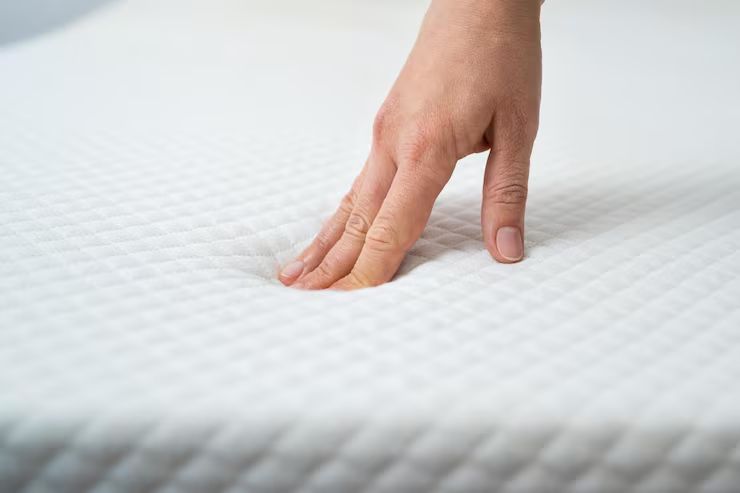
You wake up with that familiar ache in your lower back. Again. Your bed feels fine at first, but somewhere around 3 AM, everything changes. The mattress that seemed comfortable when you bought it now feels like it’s working against you. You’re not ready to replace the entire mattress yet. Maybe you don’t need to.
Why a King-Size Topper Makes Sense
A king-size mattress topper might be exactly what your sleep setup needs. These layers sit on top of your existing mattress and can transform how your bed feels. Think of them as a second chance for your sleep surface. They add cushioning where it’s worn down, support where it’s sagging, and comfort where it’s lacking. For couples sharing a bed, a king-size option means both of you get the coverage you need without making any compromise.
Material Choices That Actually Matter
Choosing a mattress topper for back pain requires more attention than you might expect. The wrong thickness or material can make things worse instead of better. Memory foam toppers mold to your body shape and reduce pressure points. They’re popular because they respond to your weight and heat. Latex toppers offer a bouncier feel with good support. They stay cooler through the night, which matters if you live somewhere warm. Then there’s the thickness question. A topper that’s too thin won’t do much. One that’s too thick might feel unstable or make getting in and out of bed awkward.
Matching Your Sleep Position
Your sleeping position matters more than most people realise. Side sleepers need softer toppers that cushion shoulders and hips. Back sleepers do better with medium firmness that supports spinal alignment without letting you sink too far. Stomach sleepers should look for firmer options that prevent the hips from dipping unnaturally. If you share your bed, you’re probably dealing with different preferences. Some toppers work better for mixed sleeping styles than others.
Quality Factors to Consider
Material quality varies quite a bit. High-density foam lasts longer and holds its shape better than cheaper alternatives. Natural latex costs more upfront but outlasts synthetic versions by years. You’ll also want to think about the cover. A removable, washable cover makes maintenance easier. Hypoallergenic materials help if allergies or dust sensitivity are concerns. Breathability affects temperature regulation. Some materials trap heat. Others let air flow through.
Getting the Fit Right
Installation seems simple until you’re actually wrestling a king-size topper onto your bed. Make sure it fits your mattress dimensions properly. Some toppers come with straps or elastic corners that keep them from sliding around at night. Without these, you might wake up with your topper bunched up at one end. Not ideal when you’re trying to fix sleep problems, not create new ones.
Making Your Decision
You don’t need to spend a fortune to see improvement. Start by identifying what bothers you most about your current sleep surface. Is it too firm? Too soft? Does it sag in the middle? Match the topper type to the problem. Read about different foam densities and what they mean for longevity. Check the warranty terms. A good topper should last several years with proper care.
Your back pain might not disappear overnight. Give your body a week or two to adjust to the new sleep surface. Some people notice improvement immediately. Others need time. Keep your sleeping position in mind as you adjust. Even the best topper won’t fix everything if you’re sleeping in positions that strain your spine.
A king-size mattress topper can extend the life of your bed and improve your sleep quality without the expense of a full mattress replacement. Focus on the material that suits your needs, the right thickness for your situation, and the proper fit for your bed size. Your spine will thank you for the extra attention to support.
Featured Image Source: https://img.freepik.com/premium-photo/hand-testing-mattress_1016675-2311.jpg?semt=ais_hybrid&w=740&q=80