Most buyers approach renewable energy sizing backwards. They pick a turbine wattage or panel count that sounds right, then hope it covers their needs. That gamble leaves families rationing power during cloudy weeks or running backup generators far more than planned.
Measuring Real Consumption Before Picking Equipment: The biggest mistake is guessing energy needs instead of tracking them. Pull twelve months of utility bills if you’re still connected, or monitor existing loads with a power meter for at least a week. Ontario wind turbines deliver reliable power when sized correctly for seasonal output swings that complement solar generation. Winter wind speeds often pick up when solar generation crashes, making hybrid systems more dependable.
Battery Banks Carry the Load Between Generation Cycles: Proper battery storage keeps your lights on and appliances running when clouds linger or wind drops. Off the grid Ontario properties achieve true energy independence with batteries sized for three to five days of autonomy depending on backup generator availability. Lithium batteries cost more upfront but handle deeper discharge cycles and last longer than flooded lead-acid.
When Guesswork Costs You Comfort and Cash
Panel and Turbine Counts Mean Nothing Without Context: A five-kilowatt turbine sounds substantial until you realize it only produces rated output at specific wind speeds rarely sustained for long periods. Real-world output averages thirty to forty percent of nameplate capacity in most Ontario locations. Solar panels face similar derating. A ten-kilowatt array on paper might deliver six kilowatts during peak sun.
Winter Load Patterns Break Poor Designs: Heating, lighting, and indoor activity all spike during cold months when generation plummets. Properties relying on electric heat or well pumps face the worst squeeze. Some buyers size systems for summer cottage use, then find them inadequate for year-round living. Load shifting helps, but only to a point.
Tower Height and Placement Shape Real Output
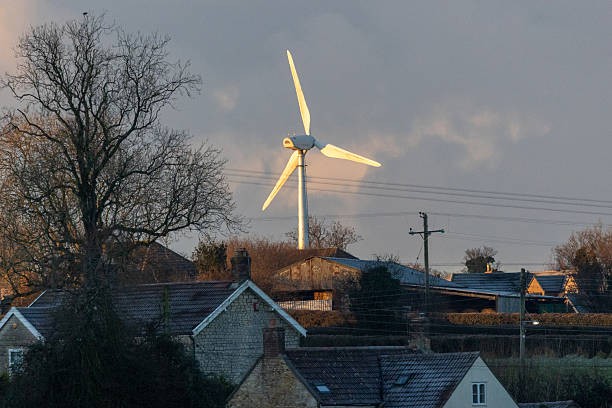
Every Metre of Elevation Adds Usable Wind: Mounting a turbine on a ten-metre pole instead of a twenty-metre tower can lower output by forty percent or more. Wind speed increases logarithmically with height, and ground-level obstructions like trees or buildings create turbulence that reduces both generation and equipment lifespan. Professional site assessment identifies the best tower location and height for your property’s topography.
Hybrid Systems Need Coordinated Sizing: Pairing wind and solar isn’t about adding their nameplate ratings together. You need to model how each resource performs across different seasons and weather patterns, then size the battery bank to smooth out the combined variability. Charge controller capacity must handle peak input from both sources simultaneously without clipping production.
Real Assessment Builds Reliable Independence
Load Analysis Reveals Hidden Consumption: Most people underestimate phantom loads from devices in standby mode, seasonal equipment like block heaters or air conditioners, and sporadic high-draw tools. A detailed audit measures every circuit and flags opportunities to reduce consumption before sizing generation capacity. Cutting five hundred watts of continuous load saves thousands in solar panels and batteries.
Local Resource Data Beats National Averages: Wind and solar potential vary dramatically across Ontario. A property near Lake Huron gets different wind patterns than one in Muskoka. Southern sites enjoy more annual sunshine than northern locations. Using site-specific generation data instead of provincial averages ensures your system matches the actual resource available at your coordinates.
Building Systems That Actually Work
Property owners deserve systems sized to their real needs, not sales pitches built around arbitrary equipment packages. Professional assessment combines consumption tracking, resource measurement, and load analysis to specify generation capacity, battery size, and backup strategies that match your lifestyle and budget. Starting with honest data prevents expensive mistakes and delivers the energy independence you’re paying for.
Featured Image Source: https://media.gettyimages.com/id/2254585360/photo/chilcompton-united-kingdom-the-sun-shines-on-a-wind-turbine-that-has-been-placed-above-houses.jpg?s=612×612&w=0&k=20&c=alFalGcttc49HksJjnEf8N8eranDq0etU66ywW6K8Yc=