Energy prices are increasing, and heating efficiency is a major concern for many householders, making them consider alternative heating options. Traditional heating methods which consume a lot of electricity, oil or gas can prove to be costly in the winter season.
Consequently, wood heating has been rediscovered as a dependable, economical, and eco-friendly heating source in homes. Modern wood heating systems are currently more efficient, cleaner to combust and conveniently remarkable compared to the older systems.
Northern Ontario wood stoves are becoming the new focus of research by many households who are finding that the advanced technology of wood heating can offer excellent reliability. Contemporary wood stoves are more fuel efficient, have reduced emissions and spread more heat.
This is a blend of performance and a low price, which is among the primary causes that more homeowners are switching to it. The growing popularity of wood heating systems in modern homes is mainly due to various factors.
Lower Heating Costs
Among the biggest advantages of wood heating are lowered long-term energy costs. High BTU stoves may generate much heat and burn less fuel.
The cost of firewood will be more predictable compared to the heating oil or electricity, and this will enable homeowners to control winter heating costs. Part of the rural population goes to the extent of cutting their own hardwood, which is seasoned, and does not need to rely on outside fuel supplies.
Energy Independence
Wood heating offers more control of energy supply to homeowners. Wood-burning stoves are an alternative to systems that are fully reliant on utility firms or fuel supplies and, therefore, enable households to keep their stoves hot even when the power goes off or the fuel supply is interrupted. This energy autonomy is particularly beneficial in more northern areas where winter storms can impair electrical systems and fuel delivery.
Improved Heating Efficiency
The wood stoves of today are much more efficient compared to the old fashioned fireplaces or heating systems. These stoves have advanced combustion technology enabling them to use a larger proportion of each piece of wood to generate heat, and also produce less smoke and less waste. Most of the newer models use secondary burn systems that enhance fuel efficiency and minimize emissions.
Reduced Environmental Impact
Wood can be regarded as a renewable energy source when used responsibly. Modern systems that have effective flue gas recirculation and cleaner combustion processes have much lower emissions of particulates compared to the old wood-burning appliances. Combustion quality is also enhanced by the use of properly seasoned wood and the amount of creosote deposits in chimney systems is minimized.
Comfortable and Consistent Warmth
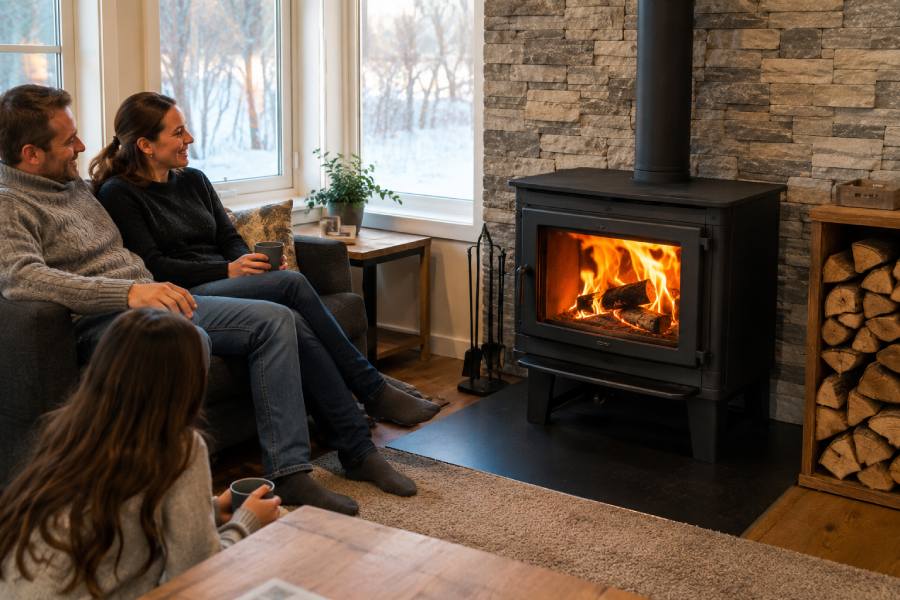
Wood heat generates a kind of coziness that most house owners consider more pleasant than forced-air heating. The heat of a wood stove diffuses effectively around the room and can even sustain a warm interior atmosphere even in the lowest of temperatures. The aesthetics of a wooden burning fire also puts an element of comfort and ambiance, which cannot be achieved by a traditional heating system.
Conclusion
Many house owners are now moving towards using wood heating due to its practical nature of affordability, efficiency, reliability as well as comfort. Contemporary wood stoves have cleaner operation, reduced heating expenditures and increased energy autonomy over a number of conventional mechanisms. With the current trend of heating requirements, wood heating is still a viable option for any home that desires warmth during winter.