Pimples rarely show up at a convenient time. They tend to appear the night before something important, which makes the frustration feel worse than it already is. A pimple forms when dead skin cells and excess oil block a pore, giving bacteria room to grow and spread. The redness and swelling that follow are the skin reacting to that bacterial buildup trapped inside the blocked pore.
What Happens While You Sleep Can Change Everything
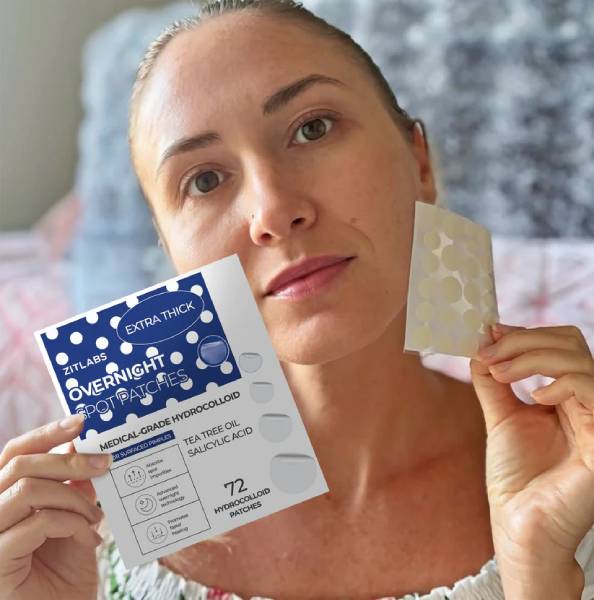
Targeted Treatment That Works Through the Night: The skin shifts into repair mode during sleep, making nighttime the best window for treating a breakout. Overnight pimple patches sit directly over the pimple for six to twelve hours, pulling out oil, pus, and impurities through a hydrocolloid seal. By morning, the patch turns white, which is visible proof that the absorption process worked all through the night.
Staying Power From Lights Out to Morning: A common concern is whether a patch will actually hold for seven or eight straight hours of sleep. Waterproof pimple patches hold firm through sweat and pillow contact, keeping treatment active from the moment of application to the moment you wake up. That uninterrupted wear time is what separates a patch that delivers real results from one that simply peels off before morning arrives.
What the Color Change on the Patch Actually Means: Most people are genuinely surprised the first time they see how much a patch collects overnight. The white or opaque appearance comes from the hydrocolloid dressing absorbing fluid, oil, and debris drawn directly out from inside the pore. That color shift confirms the patch did its job. An unchanged patch typically means it was applied over moisturizer or the pimple had not yet reached the surface.
The Real Reason Breakouts Keep Coming Back
How Hormones Quietly Drive Oil Overload: Hormonal shifts increase sebum production, which is the skin’s natural oil output. When levels spike, pores fill up faster than the skin can shed the dead cells lining them. That combination creates the ideal environment for bacteria to thrive and a pimple to start forming. Stress, diet changes, and menstrual cycles all push this cycle forward in ways that feel unpredictable.
Why One Touch Can Make a Single Pimple Into Several: Fingers carry bacteria that travel easily to nearby pores, turning one breakout into a cluster within a short time. A patch placed over the area creates a physical barrier that stops this transfer completely. It also removes the urge to pick, which is one of the leading drivers of lasting dark marks left on the skin long after the original pimple clears.
Matching the Right Patch to the Breakout in Front of You
Not every pimple responds to the same approach. Choosing a patch based on what the breakout actually is gets results faster than reaching for the same product every time.
- A visible whitehead that surfaced overnight: use a high-strength overnight patch for maximum absorption
- A painful lump still forming under the skin with no head: a microdot patch delivers treatment to early-stage breakouts
- A healing pimple that keeps getting touched during the day: a thin daytime patch protects the area and lets skin recover
Applying the Patch So It Actually Seals Properly: Press it firmly onto clean, dry skin for a few seconds and let the adhesive bond before moving on. Applying a patch over moisturizer or makeup reduces grip and limits how much the hydrocolloid can draw from the pore overnight. A clean, dry surface gives every patch the best chance of delivering a full night of real absorption.
Wake Up to Clearer Skin Tomorrow
A breakout does not have to drag on for days when the right patch goes on before bed. It absorbs, protects, and gives the skin the uninterrupted time it needs to recover without interference. Waking up to a white patch means the work is already done. Find the right patch for your next breakout at patchtherapy.com/collections/all.
Featured Image Source: https://patchtherapy.com/cdn/shop/files/Zitlabs_UGC_1_Blue_copy_1.jpg?v=1773727988&width=823